Electronic Waste Disposal and Recycling in Singapore
As technology evolves, electronic equipment is replaced more frequently. However, disposing of these items requires careful handling due to the materials they contain and the sensitive information they may store.
At Atrex Services, we provide electronic waste disposal and recycling solutions in Singapore to help you clear unwanted computers, laptops, mobile devices and other electronic equipment securely and responsibly.
With experience in IT asset recycling, computer disposal and mobile device disposal, our team supports organisations in retiring outdated equipment safely while ensuring devices are processed through responsible e-waste recycling practices.
What Is Electronic Waste (E-Waste)?
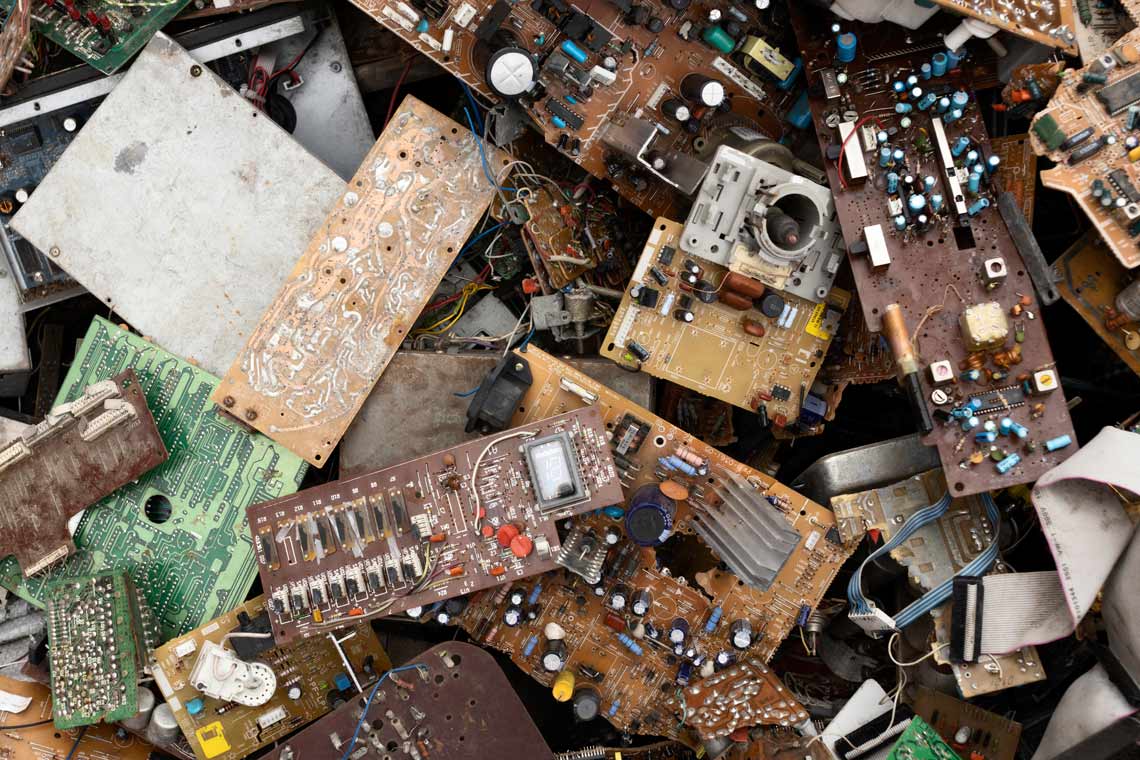
Electronic waste, commonly known as e-waste, refers to discarded electrical and electronic devices. These include items such as televisions, computers, laptops, mobile phones and other gadgets that are no longer needed or functioning. Many of these devices contain hazardous substances such as lead, mercury and cadmium. These materials do not break down naturally and can pose serious environmental risks if handled improperly.
When electronics are sent to landfills or burned, harmful substances may seep into the soil and nearby water sources. Over time, this can lead to environmental pollution and long-term health concerns. Improper disposal also wastes valuable resources, as many electronic components contain metals that can be recovered and reused through proper recycling.
What are the Different Types of E-Waste?
Electronic waste can generally be grouped into two categories in Singapore. These classifications help determine how items should be collected and recycled.
Regulated Consumer E-Waste
Regulated consumer e-waste refers to electronic items that individuals commonly use in their daily lives. These devices fall within Singapore’s regulated recycling framework and are typically generated from household use. Examples include televisions, computers, mobile phones, tablets, cameras, cables and adapters.
Non-Regulated E-Waste
Non-regulated e-waste refers to electronic equipment that may not fall under specific consumer recycling regulations. This category often includes household appliances such as electric fans, food processors, microwaves and ovens. It may also arise from commercial or industrial environments, including medical equipment, industrial machinery and telecommunication devices.
Types of Electronic Waste We Accept for Disposal and Recycling
Atrex Services accepts a wide variety of electronic waste from both individuals and organisations, including computers, laptops, mobile devices and office IT assets for proper disposal and recycling.
Consumer Electronic Devices
- Laptops and tablets
- Mobile phones
- Televisions and monitors
- Routers, cables and adaptors
- Gaming devices, speakers and accessories
Computer Disposal and Corporate IT Assets
- Desktop computers and workstations
- Servers and server racks
- Hard disk drives (HDD) and solid state drives (SSD)
- Network infrastructure equipment
- Printers, scanners and large office machines
All items collected are handled in accordance with Singapore’s environmental guidelines to ensure responsible processing and recycling.
Why Proper Electronic Waste Disposal Matters
Disposing of electronic devices responsibly plays an important role in protecting the environment. Electronics often contain substances that can harm ecosystems if released into the ground or waterways.
Responsible recycling helps prevent these materials from causing long-term damage. It also allows valuable resources such as gold, platinum and copper to be recovered and reused in new manufacturing processes. This reduces the need for additional mining and supports more sustainable production practices.
At Atrex Services, we aim to make responsible disposal simple and accessible. If you are looking for a trusted electronic waste disposal partner in Singapore, get in touch with us to learn how we can help.
Electronic Waste Recycling in Singapore: How the Process Works
Electronic waste recycling in Singapore follows a structured process designed to minimise environmental impact while recovering useful materials from computers, laptops, mobile devices and other e-waste.
- Collection and Transportation – Electronic waste is collected from designated locations and transported using approved handling procedures. This ensures that devices are moved safely without causing damage or environmental contamination.
- Sorting and Manual Dismantling – Items are first sorted by type and condition, then carefully dismantled to remove hazardous components such as batteries, ink cartridges and mercury-containing lamps.
- Shredding and Mechanical Processing – After hazardous elements are removed, the remaining materials are processed using industrial shredders. The equipment breaks devices into small fragments, usually less than 10 millimetres in size.
- Separation – Advanced separation techniques are used to isolate different materials. Magnetic systems, airflow technology and density separation help recover metals, plastics and other reusable components.
- Material Recovery – Recovered materials are refined and prepared for reuse in manufacturing. This process helps reduce the demand for new raw materials while supporting circular resource use.
Choosing the Right Electronic Waste Disposal Partner in Singapore
Selecting a reliable disposal partner is essential for regulatory compliance, data protection and environmental responsibility. When evaluating providers, several key factors should be considered.
- Licensing and Certifications
A reputable company should hold the necessary licences required under Singapore’s environmental regulations. Certifications and regular compliance checks provide assurance that disposal activities follow national standards.
- Data Security
Electronic devices often contain sensitive information. A responsible provider will ensure that all data is securely erased or destroyed before the recycling process begins. This helps reduce the risk of data breaches for both individuals and businesses.
- Transparent Processes
Clear documentation and reporting are important when managing electronic waste. A trustworthy partner should be able to explain how devices are collected, processed and recycled, giving clients full visibility over the disposal process.
- Environmental Responsibility
An environmentally responsible provider prioritises safe recycling methods and material recovery. These practices help reduce pollution while preserving valuable resources for future use.
Frequently Asked Questions (FAQs) About E-Waste Disposal
- Is it possible to dispose of a single electronic item?
Yes. Electronic waste disposal services in Singapore can accommodate both individual items and larger bulk collections. Whether you are discarding a single device or clearing multiple units, proper recycling options are available.
- Are you regulated by NEA to conduct E-waste disposal/recycling?
Yes. Atrex Services operates as a licensed e-waste recycler under regulations set by Singapore’s National Environment Agency. All recycling activities follow strict environmental and safety standards.
- Is proper e-waste disposal required by law in Singapore?
Yes. Singapore requires electronic waste to be disposed of responsibly to prevent environmental pollution and protect public health. Improper disposal may result in penalties or fines.
- Where does e-waste collected in Singapore go?
Collected electronics are sent to licensed recycling facilities. There, the devices undergo sorting, dismantling and material recovery. Hazardous components are treated safely while reusable materials are extracted for future manufacturing.